Color that appears and disappears used to be a novelty — today it is a feature: anti-counterfeit labels that reveal a mark in sunlight, a coffee cup that warns when it is too hot to hold, packaging that changes with the season. Two chemistries drive almost all of it: photochromic and thermochromic colorants. They look similar at the shelf and behave completely differently in the formula. Here is how to tell them apart — and how to choose.
Two Different Triggers
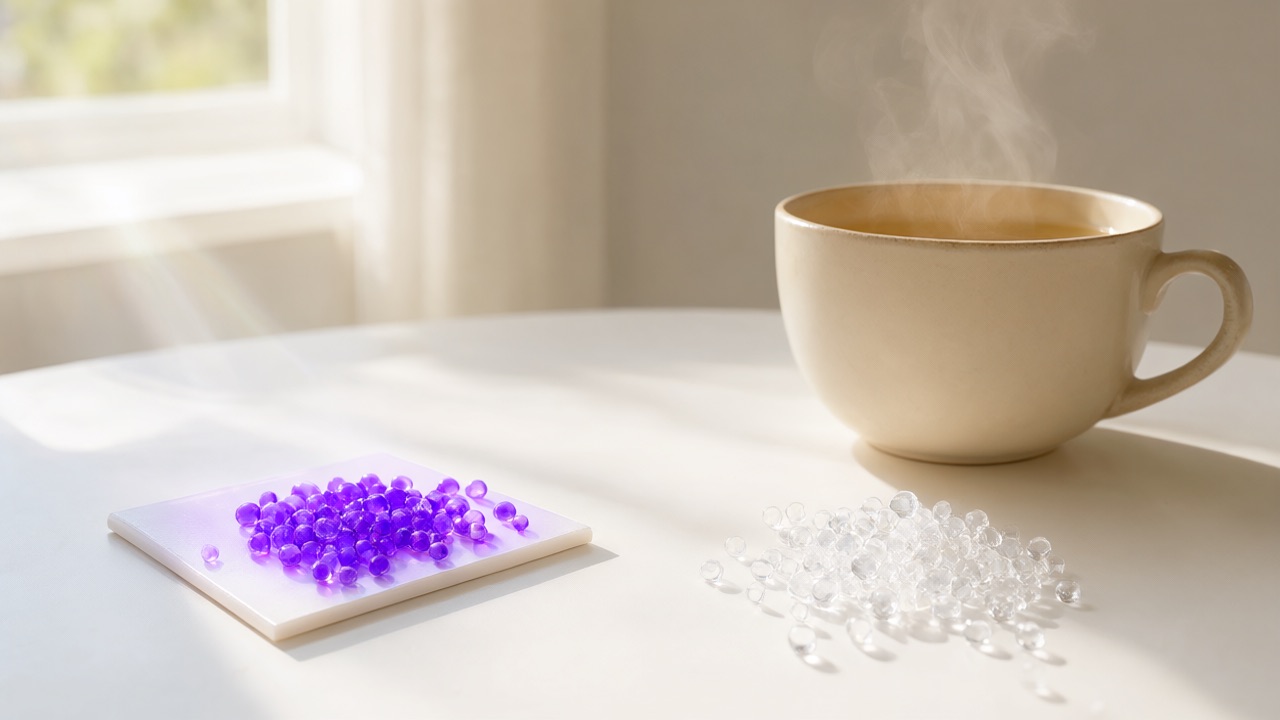
Photochromic colorants switch with UV light. The dye molecule reversibly rearranges its structure when it absorbs UV photons — typically switching from colorless indoors to colored outdoors, then fading back in the dark. The trigger is radiation, so the effect works at any temperature and even in cold chains.
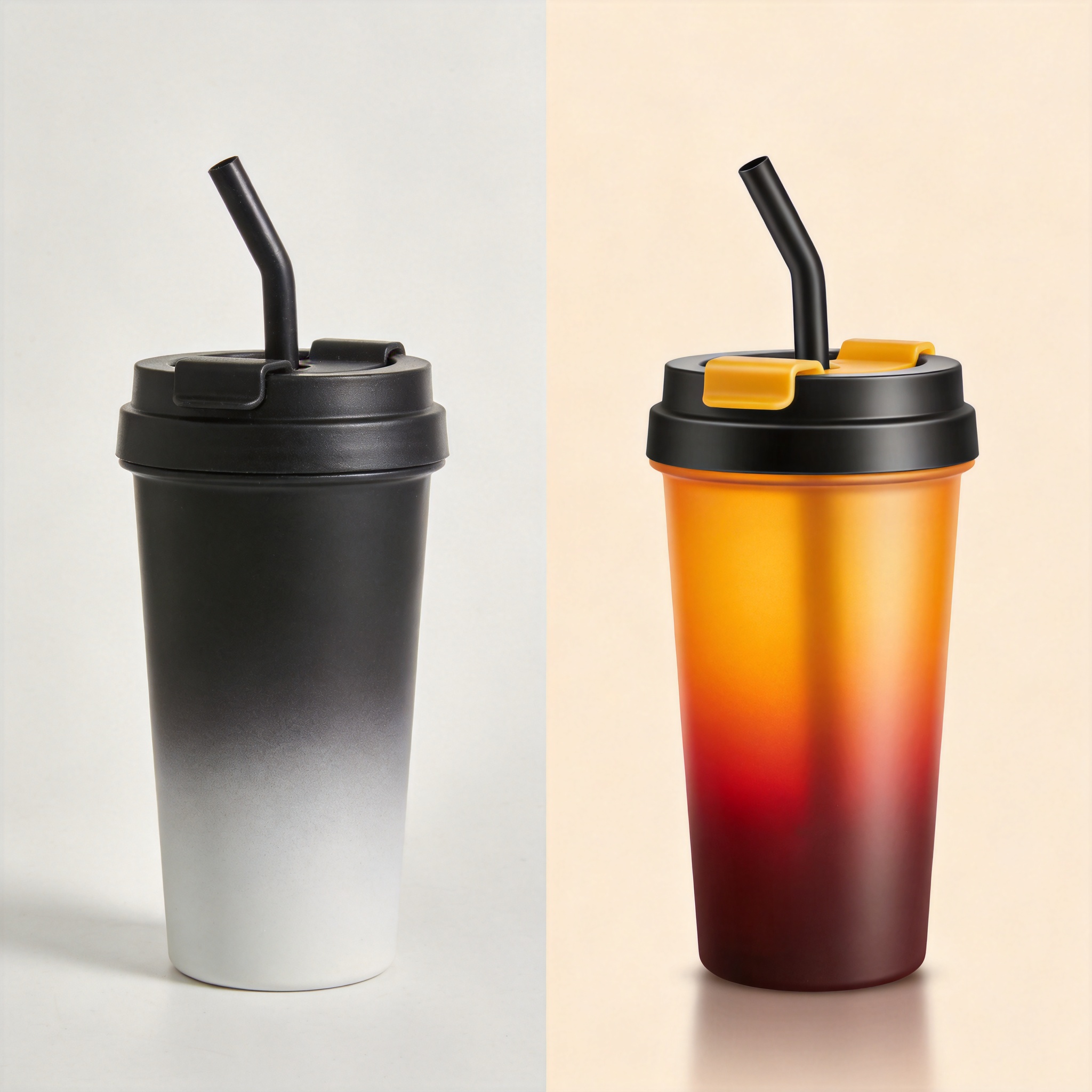
Thermochromic colorants switch with temperature. The industry workhorse is a microencapsulated three-part system: a leuco dye, a color developer and a co-solvent whose melting point sets the activation temperature. Below that temperature the developer forces the dye into its colored form; above it, the system melts and the color clears (or reverses to a second shade). The trigger is heat, so the effect follows the object — a cold drink, a warm hand, an overheating component.
What This Means in Practice
- Where the signal comes from: sunlight or a UV lamp → photochromic. Touch, hot water, ambient temperature, overheating → thermochromic.
- Substrate heat: thermochromic microcapsules have a processing ceiling — standard grades suit extrusion and coating; for injection molding you pick carrier-matched grades and mind residence time.
- Outdoor durability: both families are UV-sensitive by nature, so a photochromic effect does not belong in a permanent outdoor part — and thermochromic articles kept outdoors should be overcoated or shaded.
- Fatigue life: both systems cycle thousands of times, but real-life fatigue depends on dose, matrix and exposure. Always test in the final matrix, not on a card.
Typical Applications Side by Side
- Photochromic: UV-detecting beads and labels, color-changing eyewear, fashion textiles, anti-counterfeit marks that appear in daylight.
- Thermochromic: temperature-warning cups and baby spoons, cold-chain indicators, mood-color phone cases, security printing, gauge strips for electronics.
A Quick Selection Checklist
1. Define the trigger event in the user’s hands — light or heat?
2. Fix the activation point (for thermochromic: reversal temperature; for photochromic: the UV dose you want to respond to).
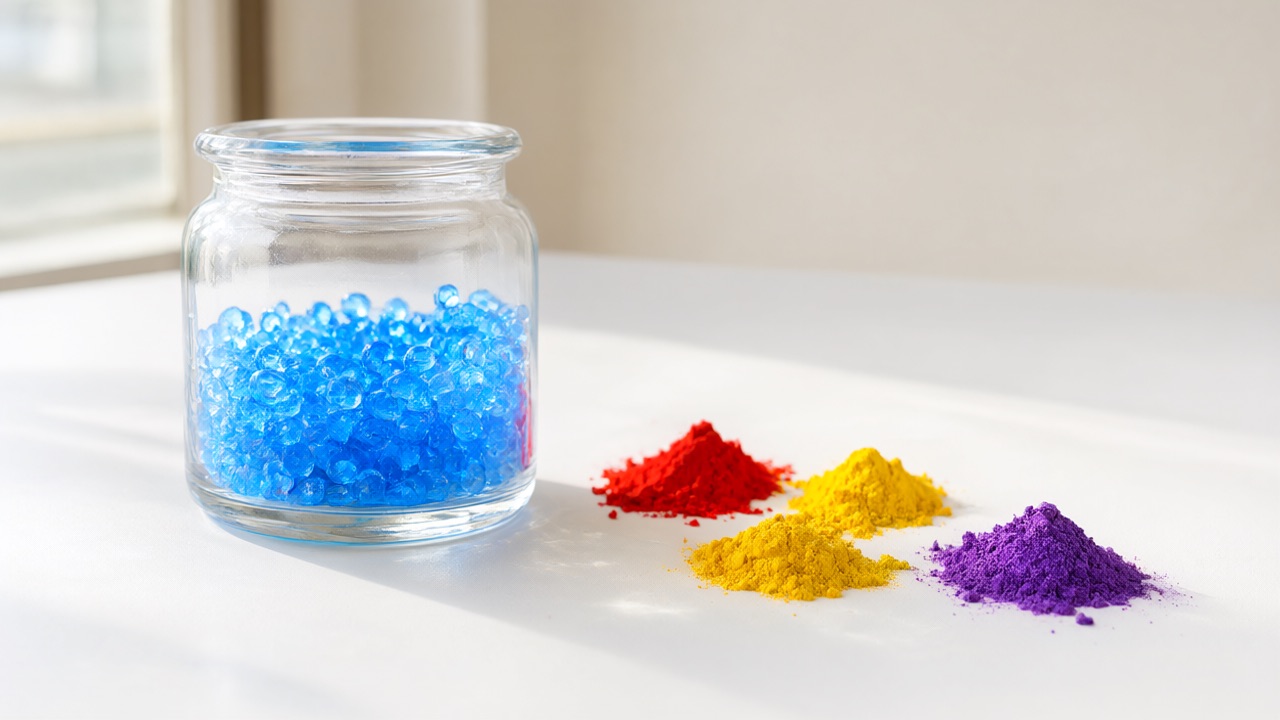
3. Choose the form factor — powder for plastics, slurry for inks, microcapsule dispersions for coatings.
4. Validate fatigue and lightfastness in the final matrix.
Where to Go Deeper
Our group runs two dedicated portals: the thermochromic side — pigment powders, color developers and composite systems with reversal temperatures from −5°C to 65°C — lives at the ThermoColors thermochromic pigment range; the photochromic side is covered in depth in our technical article on photochromic dyes at Aolong Chemical, including microencapsulation trends and application cases.
Send us the trigger you need, the substrate and the target activation point — a sample with the right chemistry beats a hundred shade cards.