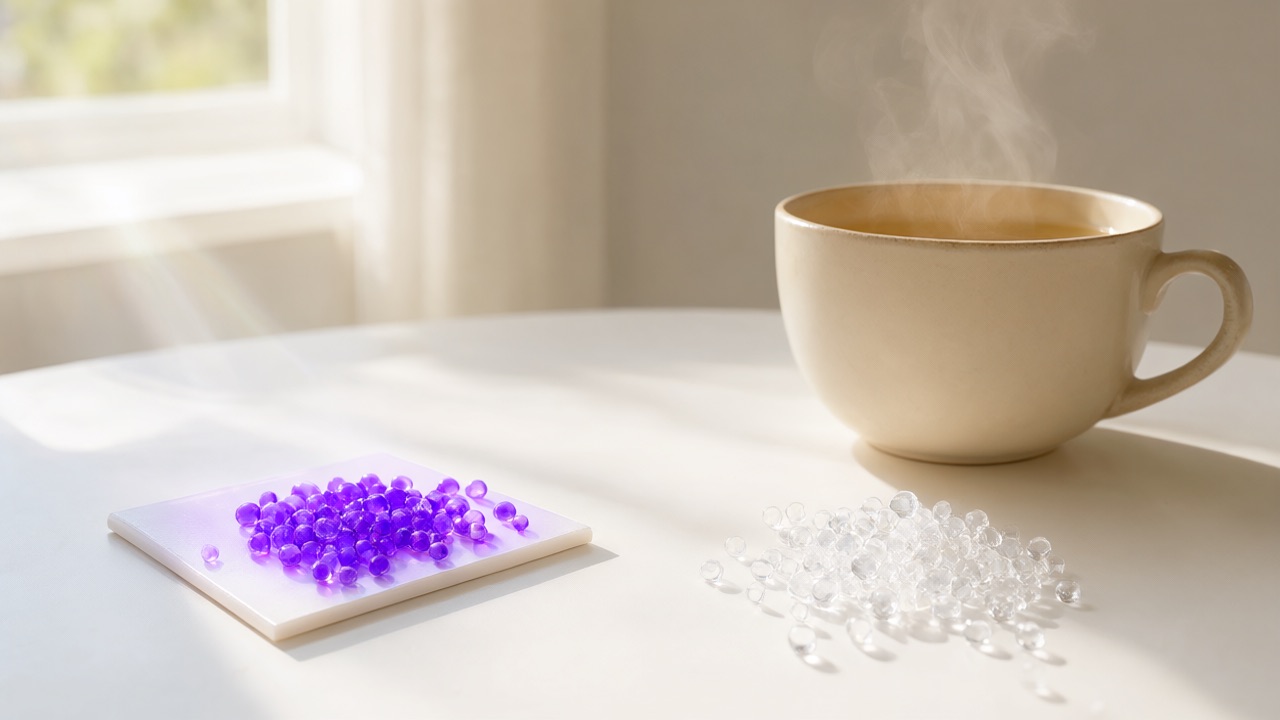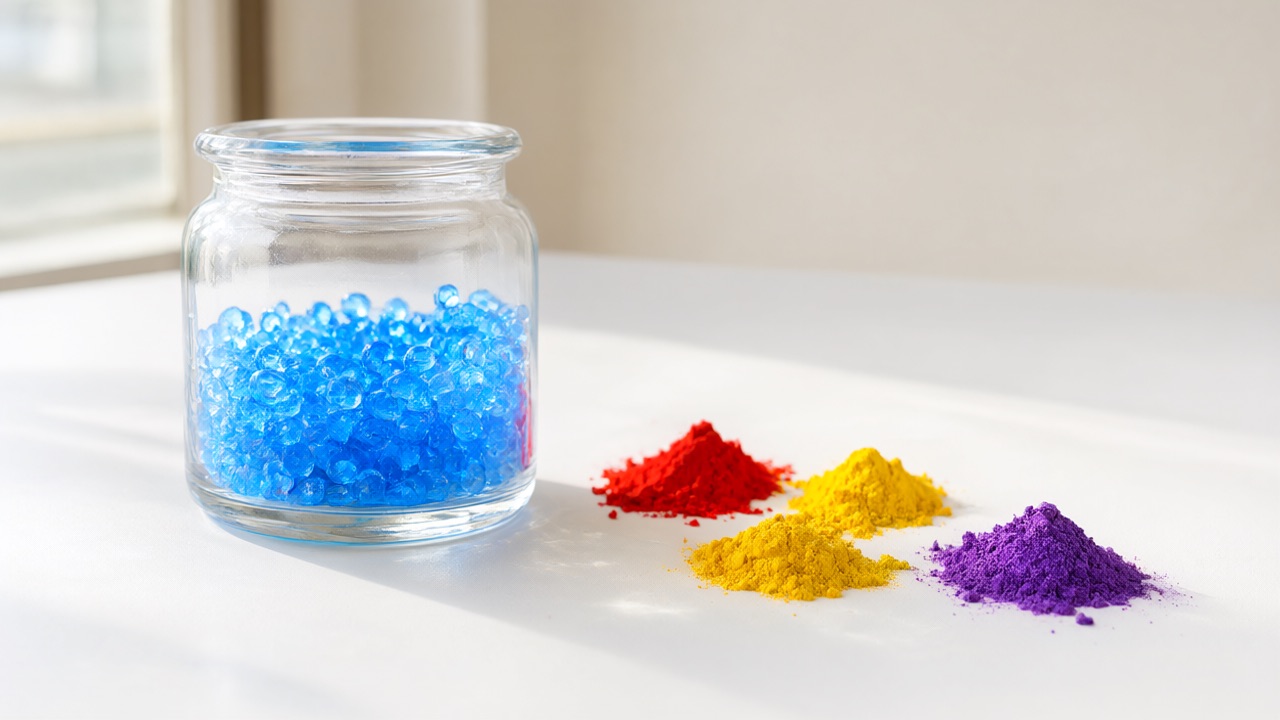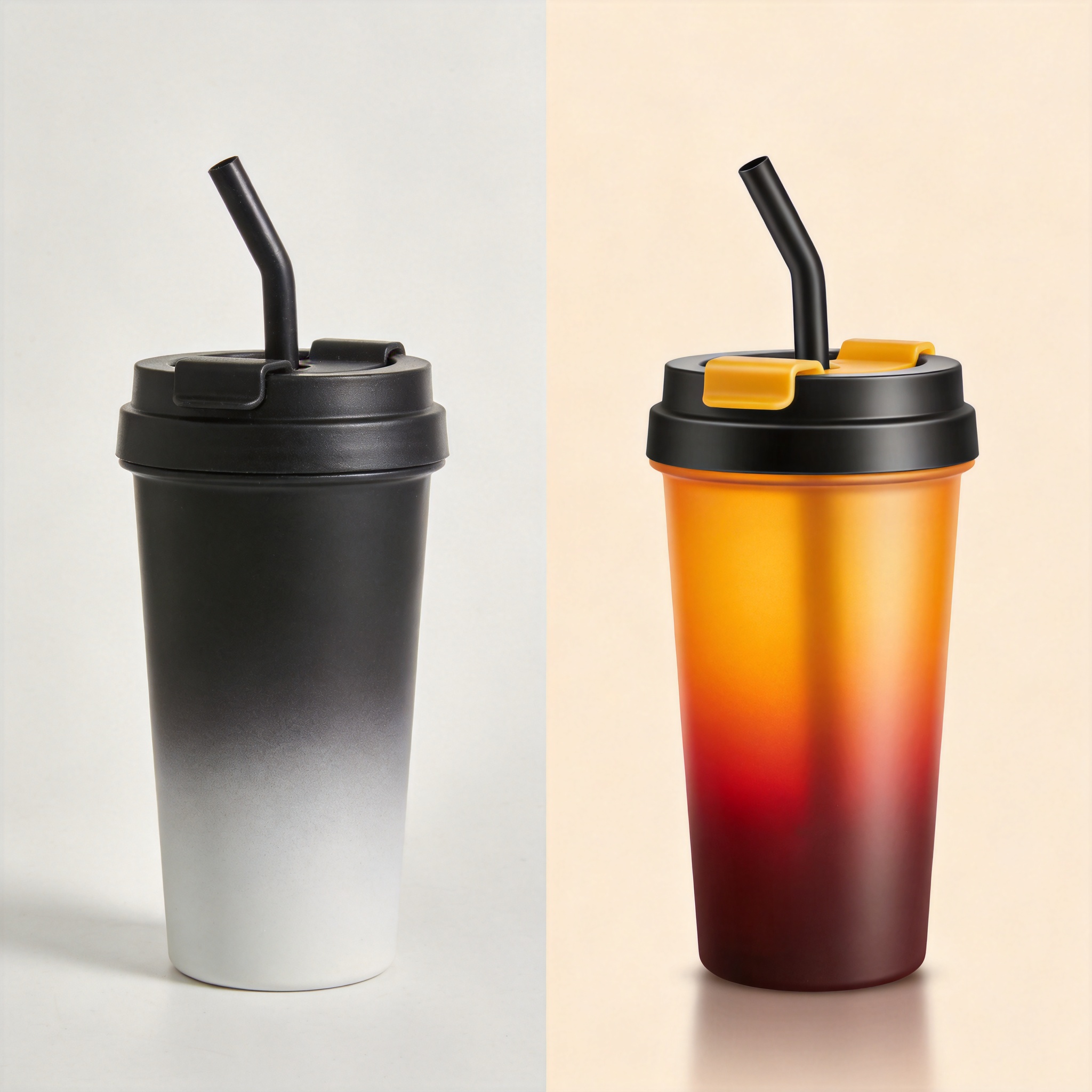
Two injection-molded parts can sit side by side on the same production line — one colored with a solvent dye, the other with an organic pigment — and look nothing alike. One is glass-clear with a jewel-like tint; the other is fully opaque with a deep, matte shade. The difference is not the machine or the resin. It is the colorant chemistry you chose before the first pellet was dried.
What a Solvent Dye Actually Does
A solvent dye dissolves at the molecular level in the polymer melt or in the carrier system. There are no particles, no scatter and no crystal structure to break — which is why dyed PET, PC, PA, PS and PMMA stay transparent. High-performance grades hold 300°C and beyond, which covers the processing window of engineering plastics and even fiber spin-dyeing, where the dye must survive both the melt and the draw-off line.
The trade-offs: dyes offer limited opacity, migration behavior depends on the polymer-dye pairing, and lightfastness is generally a notch below the best pigments.
What an Organic Pigment Actually Does
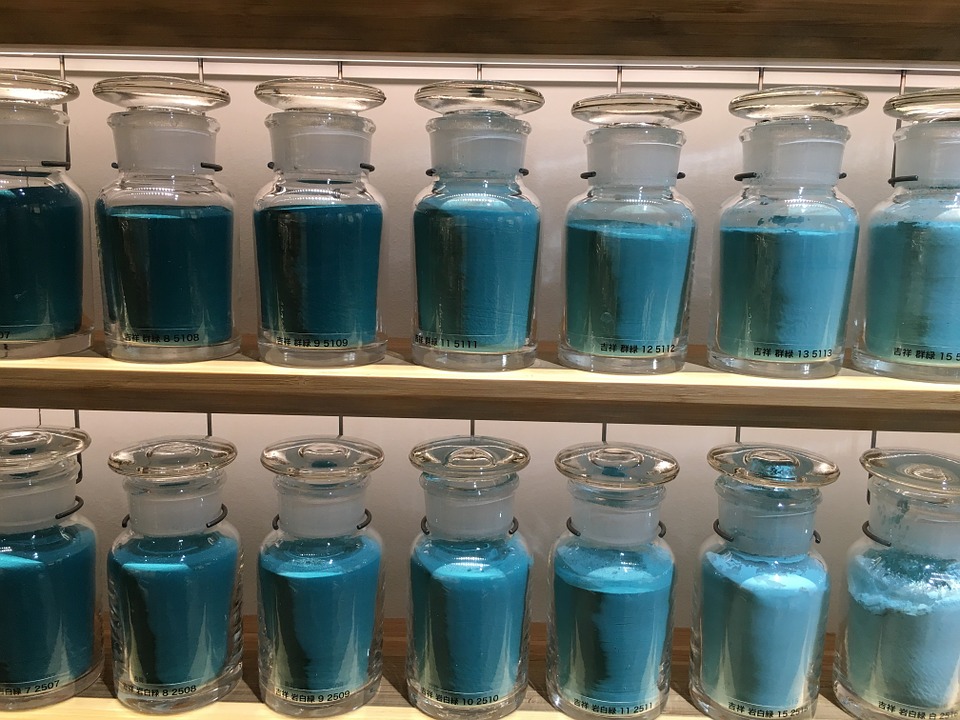
An organic pigment is engineered to stay insoluble. It survives as dispersed particles — azo, phthalocyanine, quinacridone, perylene and DPP chemistries among them — and colors by selective absorption and scattering. That gives you opacity, a very wide hue gamut from yellow to violet, and strong lightfastness when the pigment class is matched to the exposure.
The trade-offs: dispersion quality decides everything. Poor wetting or shear means specks, filtration build-up and shade drift between batches. Heat stability is tied to the specific chemistry and concentration — a quinacridone and a mono-azo do not belong in the same processing window.
The Five-Factor Comparison
- Transparency: solvent dyes win — nothing beats molecular solution for clarity.
- Heat stability: premium solvent dyes reach 300°C+; organic pigments range widely by chemistry, from moderate mono-azos to 300°C-class perylenes and phthalocyanines.
- Lightfastness: high-grade organic pigments (quinacridone, perylene, DPP) hold up outdoors; most dyes are interior-grade.
- Migration: insoluble pigments are bleed-resistant; dye selection must check the substrate.
- Coverage of shade space: pigments cover opaque and pastel shades; dyes dominate brilliant transparent tones.
Three Decision Rules You Can Apply Today
1. Clear part, deep transparent tone? Solvent dye — think PET bottles, PC lens covers, PMMA lighting rods.
2. Opaque part, outdoor or long service life? Organic pigment matched to the exposure class — siding, automotive interior trim, appliance housings.
3. Fiber or film at high line speed? Dye for spin-dyeing where transparency matters; pigment masterbatch for opaque textiles and tapes.
Where to Go From Here
Both families live in our group’s dedicated plastics colorant portal. For transparent shades, browse the solvent dye range for plastics at Aolong Chemical — every grade lists heat stability, recommended polymers and packaging. For opaque and outdoor shades, the organic pigment catalog covers azo, phthalocyanine, quinacridone and high-performance chemistries with full technical data per grade.
If the choice is still close, send us the resin, processing temperature and lightfastness target — a colorant decision made on data beats one made on a shade card.